

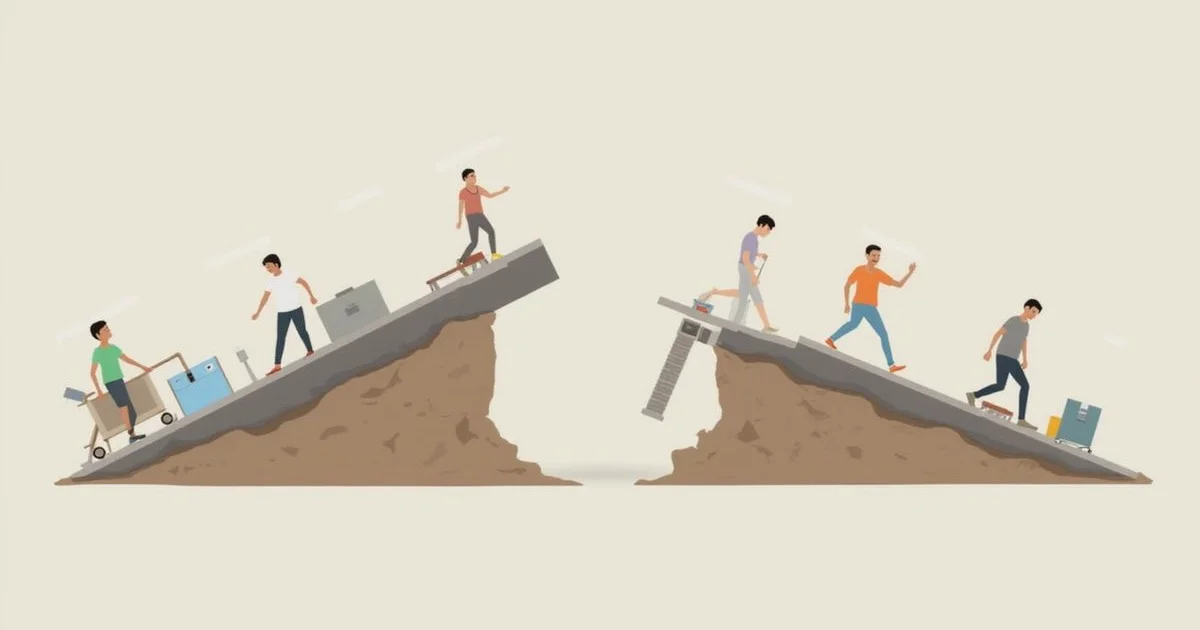
Two movements, opposite directions
Foundation movement in North Texas runs in both directions, and the direction matters more than most homeowners realise.
Settlement is downward movement. Soil beneath the foundation loses volume, usually by drying, and the structure follows it down.
Heave is upward movement. Soil beneath the foundation gains volume, usually by taking on moisture, and pushes the structure up.
Both crack walls. Both make doors stick. Both produce sloping floors. And they call for different responses, which is why an evaluation measures rather than infers.
Why Dallas clay does both
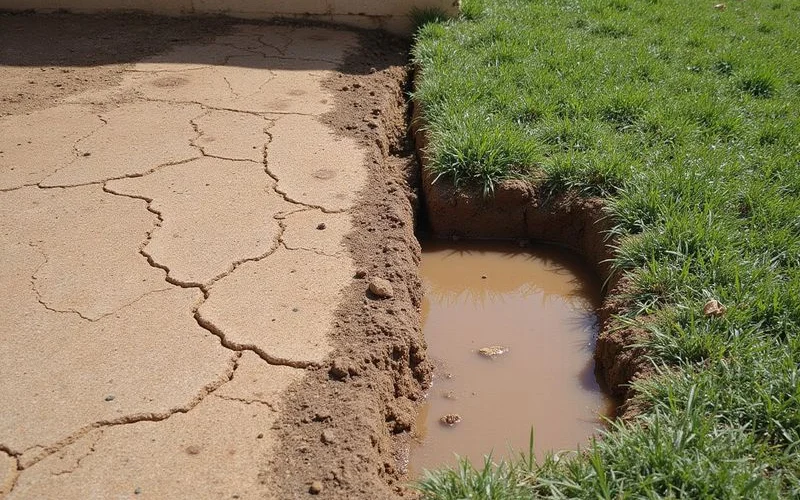
Expansive clay changes volume with moisture content. Blackland clay soils across Dallas County, and the clays weathering out of Eagle Ford Shale toward Irving, are among the more active in the country. Our guide on Dallas soils covers the geology.
That volume change happens mainly in the active zone, the upper few feet where seasonal moisture varies. A residential foundation sits within it, which is exactly why residential foundations respond to weather cycles while deep structures generally do not.
A typical North Texas year runs wet spring, dry summer, autumn rain. The soil expands, contracts, and expands again. Where that happens evenly, the house rides it. Where it happens unevenly, the house distorts.
Common causes of settlement
- Extended drought. The most common driver. Clay contracts as it dries and the structure follows.
- Mature trees. Roots draw substantial moisture from soil within their zone, producing localized drying and localized drop, usually concentrated on the tree side.
- Poorly compacted fill. Fill placed during construction that continues to consolidate.
- Erosion. Water washing fines out from beneath a foundation edge, often from a downspout discharging at one point for years.
Settlement typically produces a low area, most often at a corner or along one elevation, with diagonal cracking radiating from openings near it.
Common causes of heave
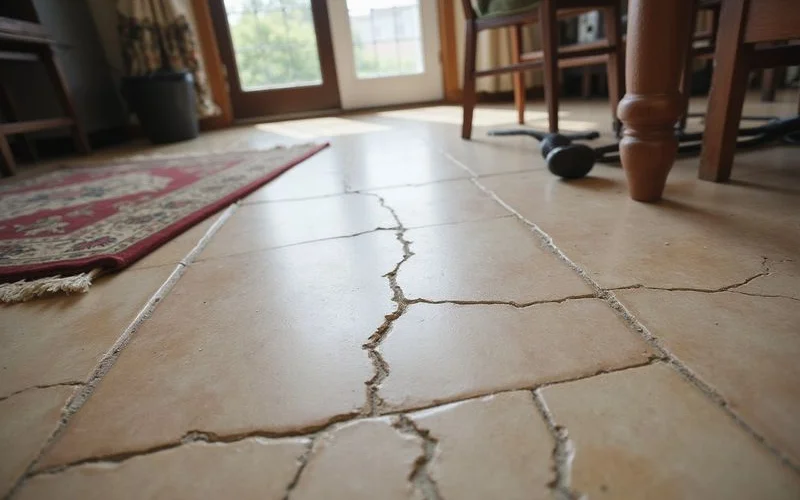
- Under-slab plumbing leaks. A leaking drain or supply line saturating clay beneath one area is the classic cause of localized heave in Dallas.
- Drainage concentrating water. Grade sloping toward the house, or roof runoff discharging at the wall for years.
- Over-watering. Persistent heavy watering of one side, particularly after a long dry spell.
- Tree removal. Taking out a mature tree removes its moisture draw, and soil that had been dried for years can take water back on and rise.
Heave typically produces a high area, sometimes mid-slab rather than at an edge, with cracking that radiates differently and floors that hump rather than dip.
Why the distinction changes the repair
This is the practical point.
Settlement is addressed by underpinning: piers installed to material capable of carrying load, with the structure supported at the new elevation. The soil that shrank stays shrunk, and the building no longer depends on it.
Heave cannot be fixed that way. Piers installed beneath an area that has risen do not lower it, and they do not address why it rose. The response starts with the moisture source: test the plumbing, correct the drainage, stop the over-watering. Sometimes the soil then recedes on its own. Where structural correction is still needed afterwards, it is planned with the cause resolved rather than still running.
Why this matters commercially
A contractor who sells piers for every situation has a strong incentive not to look too hard at whether the movement was upward. Asking directly, and asking for the elevation data that supports the answer, is a reasonable thing to do.
How an evaluation tells them apart
An elevation survey produces a relative profile of the floor. A low area against a generally level plan points one way; a high area points the other. The shape of the profile, not the presence of cracks, is the evidence.
The survey is read alongside site conditions: where trees sit, how the grade falls, where downspouts discharge, and whether there is any sign of a plumbing leak. Where the pattern suggests water, we recommend hydrostatic testing by a licensed plumber before any structural scope is finalized.
That sequence, measure then test then specify, is how the distinction gets made properly rather than assumed.