


Why nobody can quote your foundation over the phone
Foundation repair pricing is not a rate card. It is a scope, and scope is property-specific.
Two houses on the same Dallas street can need genuinely different work: one needs eight perimeter piers with open access, the other needs fourteen including interior locations reached by tunneling, with permits, plumbing coordination, and hardscape restoration on top. Those two projects are not variations on a theme. They are different jobs.
That is why we publish cost drivers rather than a headline number, and why a written quote from us follows a slab foundation repair evaluation rather than preceding it. What follows is what actually moves the figure.
Foundation type sets the starting point
A slab-on-grade home is stabilized by installing piers beneath the grade beams and transferring load onto them. A pier-and-beam home is corrected at the piers, girders, and joists inside the crawlspace, and the work is as much carpentry as underpinning.
Neither is universally cheaper. What changes is what you are buying. Slab work is dominated by pier count and access. Pier-and-beam work is dominated by what is actually failing under the floor, which can range from shimming existing supports to replacing a rotted girder run.
Pier system and depth
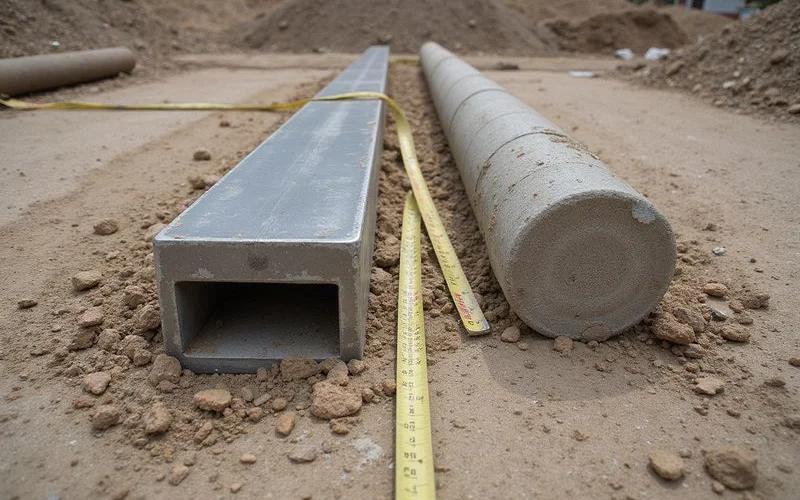
Pressed concrete pilings and multi-wall steel piers carry different per-pier costs. Steel generally costs more and generally reaches deeper bearing. Helical piles are a third option, used where verified installed capacity matters.
Depth is a site condition rather than a menu choice. A pier is driven until it meets material capable of carrying load, and that depth varies across the Dallas area and frequently across one lot. Deeper drives consume more material and more time.
The comparison that actually matters
A quote specifying twelve pressed pilings and a quote specifying twelve steel piers are not the same product at different prices. They are different systems reaching different depths. Compare system, depth approach, and count together or the comparison means nothing.
Pier count and placement
Count follows the elevation survey and the structural load path. Piers go where measured movement and load coincide.
This is where proposals diverge most dramatically. A perimeter package covering the whole house looks thorough and costs accordingly. A survey-led plan addressing the section that actually dropped costs less and, where the data supports it, works just as well.
More piers is not a better repair. Fewer piers than the structure needs is a repair that will not hold. Ask which measurement justified each one.
Access and excavation
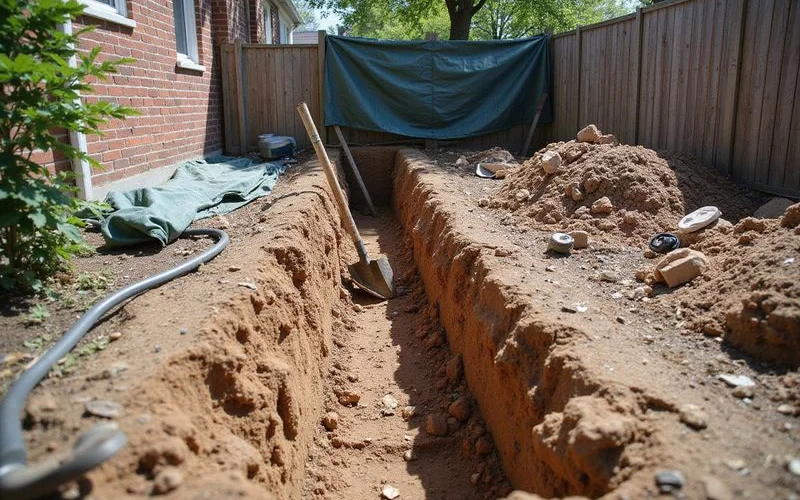
Open exterior access is the cheapest condition to work in. Everything else adds labour:
- Tight side yards slow material handling and spoil removal.
- Hardscape over a pier location has to be cut and reinstated.
- Interior piers need either flooring broken out or tunneling in from the perimeter.
- Hillside lots, common in Kessler Park and parts of Oak Cliff, can mean carrying material by hand.
Tunneling costs more per access point than breaking out a slab section, and frequently costs less than replacing tile or hardwood across several rooms. Both options should appear in a quote where both are viable.
Permits, engineering, and plumbing
Underpinning in Dallas is permitted and inspected. Filing, inspection scheduling, and any required professional engineer review are real costs. A proposal that omits them is not cheaper; it is smaller, and the omission usually surfaces later.
Hydrostatic plumbing testing is performed and billed by a licensed plumber. Where testing finds an under-slab leak, the plumbing repair is separate work again. Neither should be buried inside a foundation line item.
Restoration
Backfill, turf, beds, irrigation repair, hardscape replacement, and interior cosmetic work vary enormously between properties.
Restoration is where quotes most often diverge silently. One proposal includes replanting and irrigation repair; another excludes both and mentions it in a clause you read after signing. Our scopes state what is put back and what is not.
Example ranges, and how to read them
Any range published without a date and a scope attached is close to meaningless. With that caveat, as of September 2026 in the Dallas market, the variables above typically produce:
| Project type | Typical scope drivers |
|---|---|
| Small perimeter project | Fewer piers, open access, no tunneling, minimal restoration |
| Mid-size slab project | Perimeter plus some interior piers, permit, plumbing testing, moderate restoration |
| Complex project | Interior grade beam drops, tunneling, deep steel piers, hardscape and irrigation restoration |
These describe scope, not price, because the price follows the scope. Treat any figure you see online, including from an estimator tool, as orientation rather than as a quote.
What a documented quote includes
A quote you can actually evaluate states: pier locations marked on a plan, the system specified, the depth approach, access method, permit handling, plumbing coordination, restoration by surface type, exclusions written out, schedule, payment terms, and warranty terms.
If you are holding two proposals right now, our guide on how to compare two foundation repair quotes walks through the comparison line by line.
The cheapest quote is often the smallest scope. That is not automatically wrong, and it is not automatically a bargain either. It just needs reading properly before anyone signs anything.