

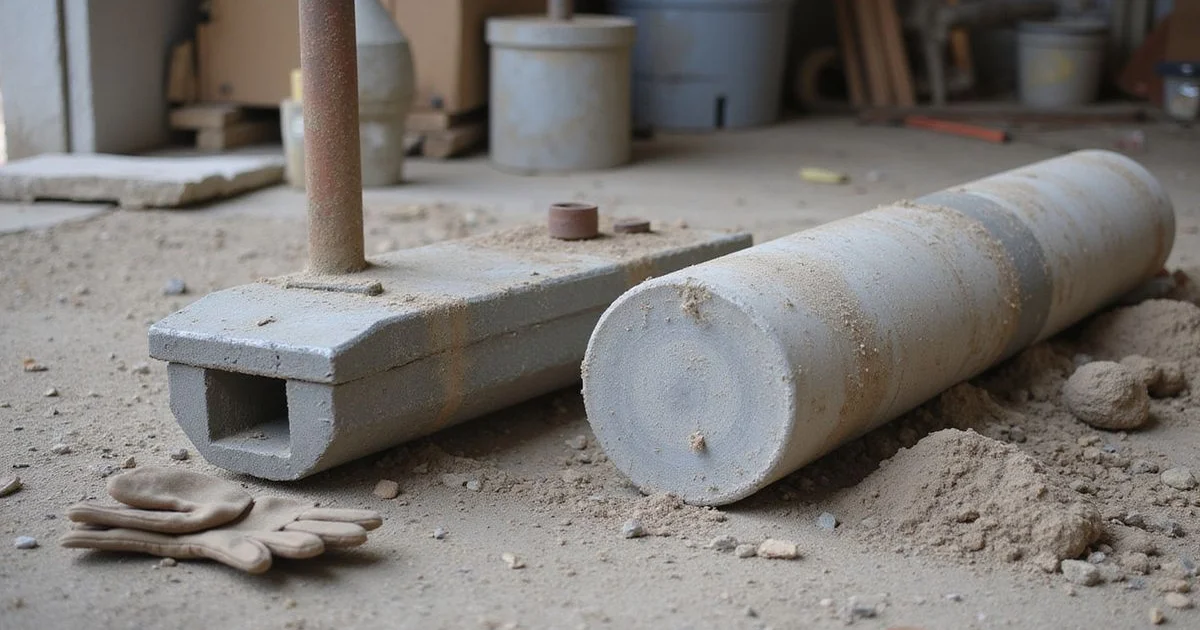
Two systems, one objective
Both systems do the same thing: move structural load off soil that changes volume seasonally onto material that does not. They are the two dominant foundation repair methods in residential work across North Texas.
They differ in how the column gets into the ground and what it is made of, and those differences matter in specific circumstances rather than in general.
The useful question is not which is better. It is which matches your site.
Depth capability
This is the difference that drives most method decisions.
Steel has a small cross-section and high material strength. It displaces less soil as it advances, accumulates side friction more slowly, and can push through resistant layers. It generally reaches deeper bearing.
Pressed concrete cylinders are bulkier. As the column lengthens, accumulated side friction limits how far the press can advance it. Within its practical range it performs well; beyond that range it does not reach.
So the first question in method selection is: how deep does competent bearing sit at this property? That answer comes from the site, not from a preference.
Cost
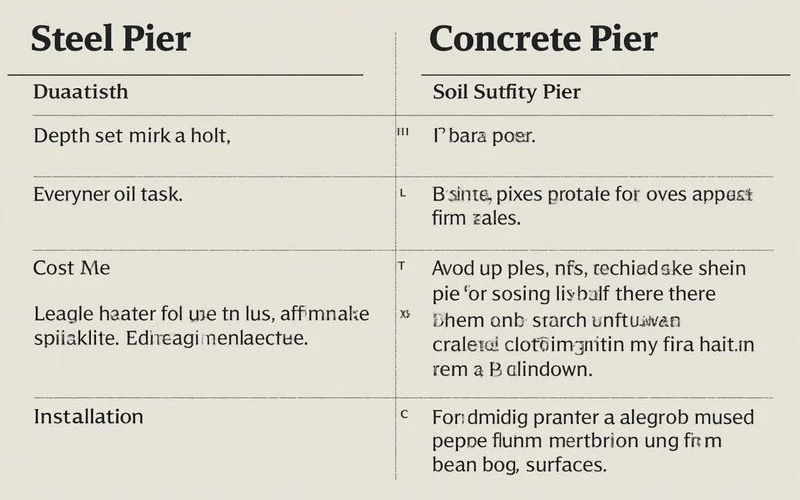
Steel typically costs more per pier. Concrete is typically more economical.
Read that as buying depth capability rather than buying quality. A concrete pier reaching adequate bearing is a sound repair at a lower price. A concrete pier that stopped short of adequate bearing is not a bargain at any price.
Soil suitability
Dallas-area subsurface conditions are genuinely variable. Blackland clay in one area, weathered Eagle Ford Shale in another, Austin Chalk somewhere else, and fill of unknown quality on plenty of sites.
Where the profile is relatively shallow to competent material, concrete suits. Where it is deep or unreliable, steel is often the answer. Where obstructions are likely, steel’s ability to push through resistant layers can matter, though a genuine obstruction stops either system.
Our guide on Dallas soils covers the regional picture, with the important caveat that mapped soil describes an area rather than a lot.
Installation differences
Steel: sections driven in sequence with a hydraulic ram seating against the grade beam, coupled as they advance, with a bracket assembly connecting the completed pier to the structure.
Concrete: cylinders pressed in one on top of another to form an interlocking column bearing directly beneath the grade beam.
Both use the structure’s weight as reaction. Both require the crew to keep the column aligned; a pier that has wandered off vertical does not carry load as designed regardless of material.
Verification
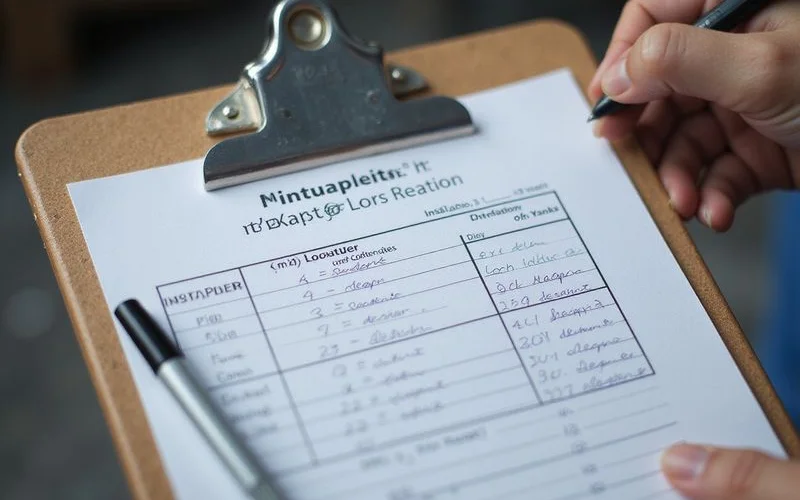
This matters more than the material choice and gets far less attention.
Once backfill goes in, nobody can see what was installed. The installation log, recording pier number, location, depth achieved, and installation pressure, is the only durable evidence.
Helical piles add torque correlation, which provides a recognised relationship between installation torque and capacity. Neither pressed system offers that directly, which is why depth and pressure records carry the weight.
Ask for the log as part of your closeout package, with either system.
Warranty
Warranty terms follow the contractor rather than the material. Both systems are warranted by responsible companies.
What to read is the document: what is covered, at which locations, what voids it, and whether it transfers. Our guide on foundation repair warranties covers what to look for.
Side by side
| Steel piers | Pressed concrete pilings | |
|---|---|---|
| Depth capability | Greater | Moderate |
| Cost per pier | Higher | Lower |
| Cross-section | Small | Larger |
| Suits deep bearing | Yes | Limited |
| Capacity verification | Depth and pressure; torque on helicals | Depth and pressure |
| Widely used in Dallas | Yes | Yes |
How to read a recommendation
Ask what about your site makes this the right system. A good answer references the soil profile, the expected depth to bearing, the load at those locations, and the access available.
A weak answer describes the product’s general merits without reference to your property. That is a brochure, not a recommendation, and it usually means the company installs one thing.
Our foundation repair methods page sets out how we make the selection and what appears in the written scope.