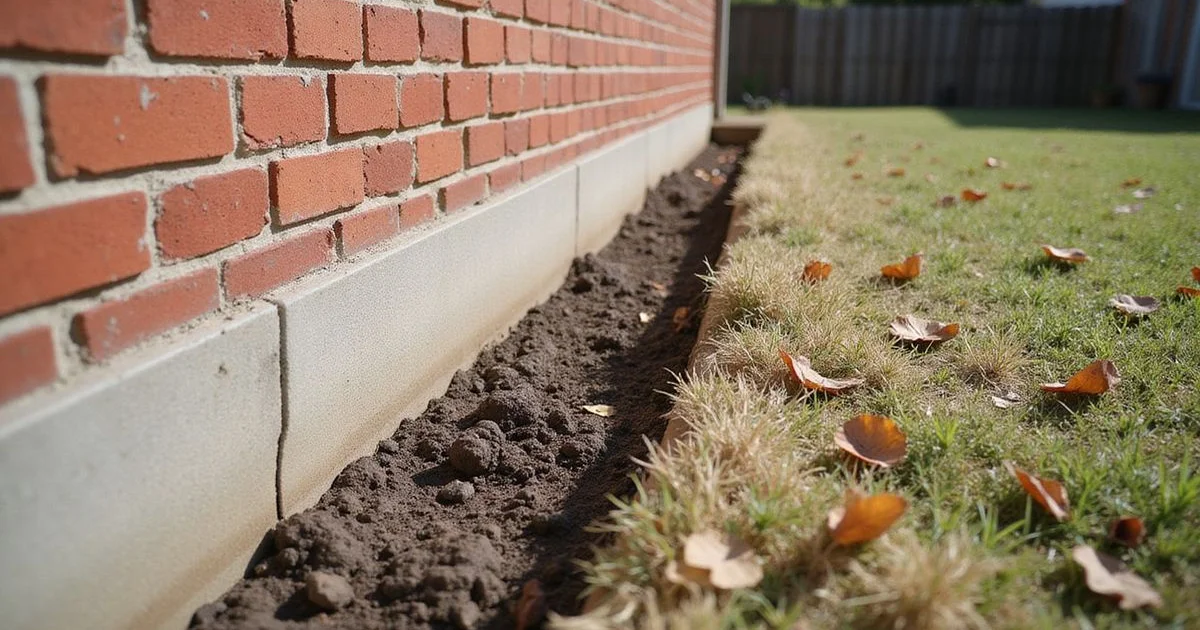
By early September, soil around most Dallas foundations has been shrinking for months. Then the fall rains arrive and it takes the water back on. That transition, from dry to wet across a few weeks, is when we field the most calls about new cracks and doors that suddenly will not close.
Here is a practical checklist for this season. None of it is a substitute for an evaluation if you are seeing real change, but all of it reduces the size of the swing your foundation experiences.
Why the transition matters
Expansive clay changes volume with moisture content. Through a long dry summer it contracts, and whatever sits on it settles slightly. When rain returns, it expands again.
The damage does not come from the moisture itself. It comes from the swing, and particularly from a swing that happens unevenly around a building. One elevation shaded and irrigated, another baked and dry, and the two sides of the house are doing different things at the same time.
Everything below is aimed at evening that out.
Walk the perimeter first
Before touching anything, walk the outside of the house and look at three things.
Is soil pulling away from the slab edge? A visible gap between soil and the foundation at the end of summer is common in clay and tells you how much contraction has happened. Note where the gaps are widest; that is usually the driest side.
Where does water go when it rains? Look for the low spots, the places where mulch has washed, and any point where grade slopes back toward the wall rather than away from it.
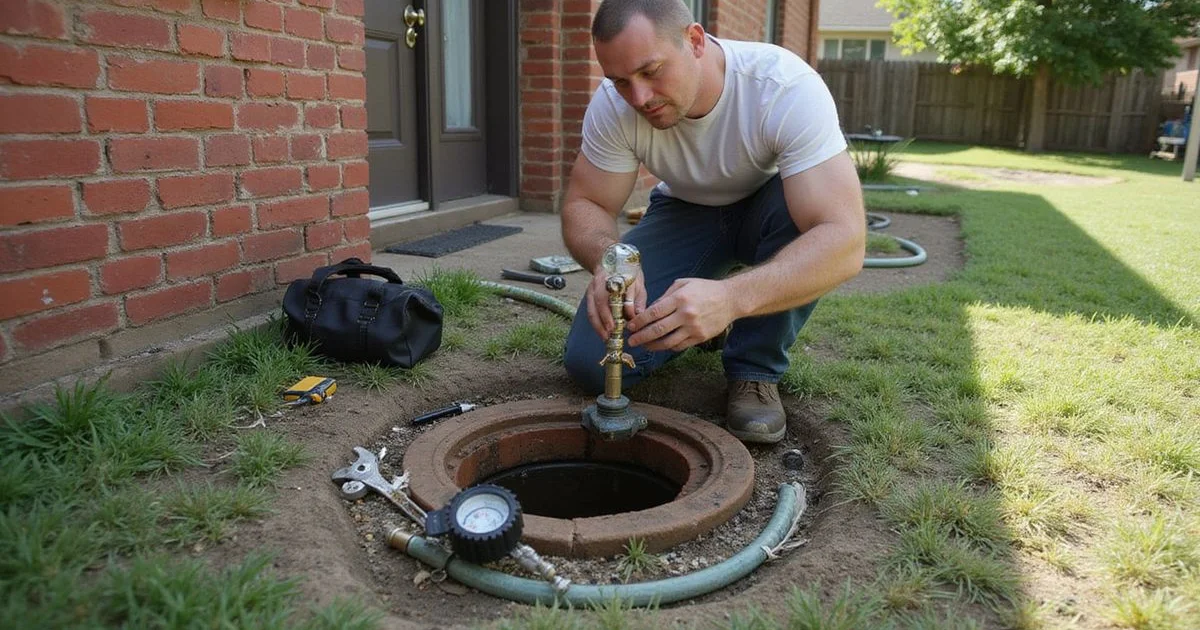
What is discharging at the foundation? Downspouts, condensate lines, and irrigation heads pointing at the wall all concentrate water in one place.
Get roof runoff away from the house
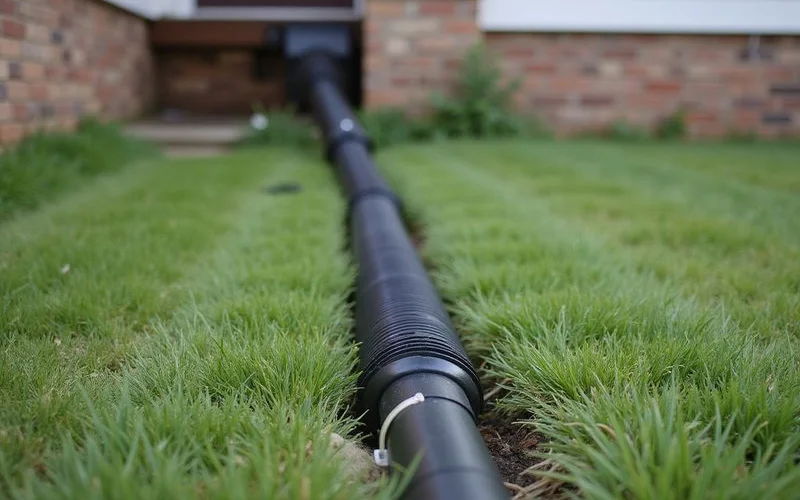
A roof collects a large volume of water and delivers it through a handful of downspouts. Discharging that at the wall is the single most concentrated moisture source most houses have.
Before the rains: clear the gutters, check that downspouts are actually connected, and extend discharge well away from the foundation. Extensions are inexpensive and are the highest-value item on this list.
If you have buried discharge lines, check the outlets. Pop-up emitters jam, outlets get buried under mulch, and a blocked line simply backs water up where you least want it.
Check the grade
Soil should fall away from the house over the first several feet. Over time it flattens: beds get topped up, mulch accumulates, patios get added, and soil settles.
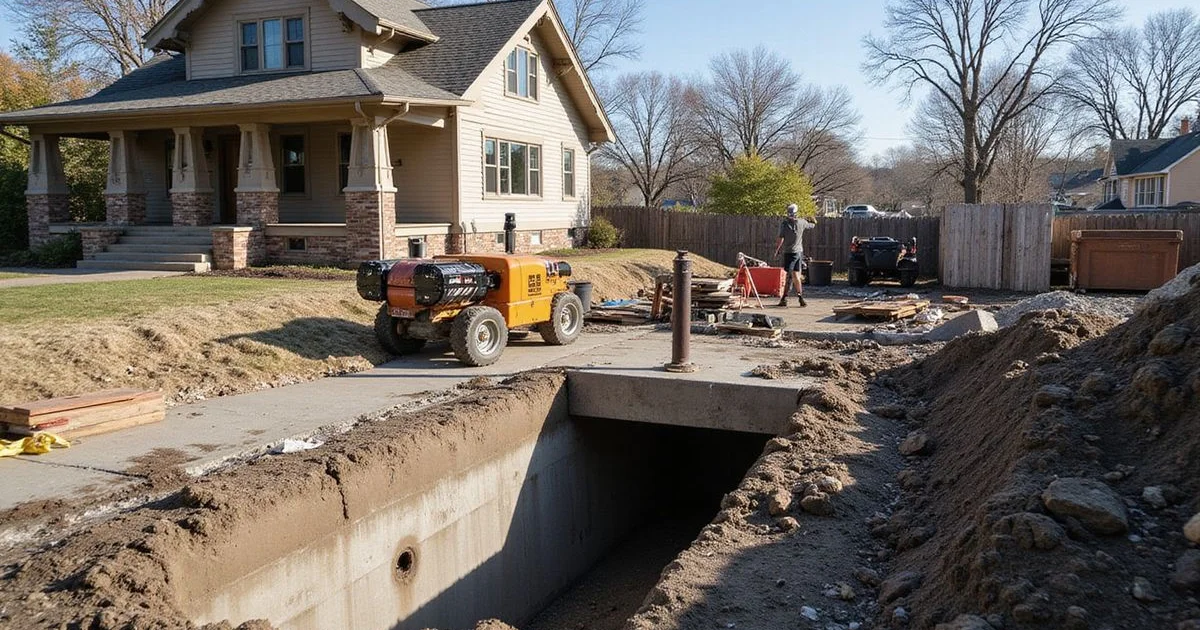
Restoring fall is often the cheapest meaningful thing a homeowner can do. Where the low point is genuinely against the house and no amount of regrading fixes it, that is a case for drainage work rather than a foundation quote.
Watering, without a fixed schedule
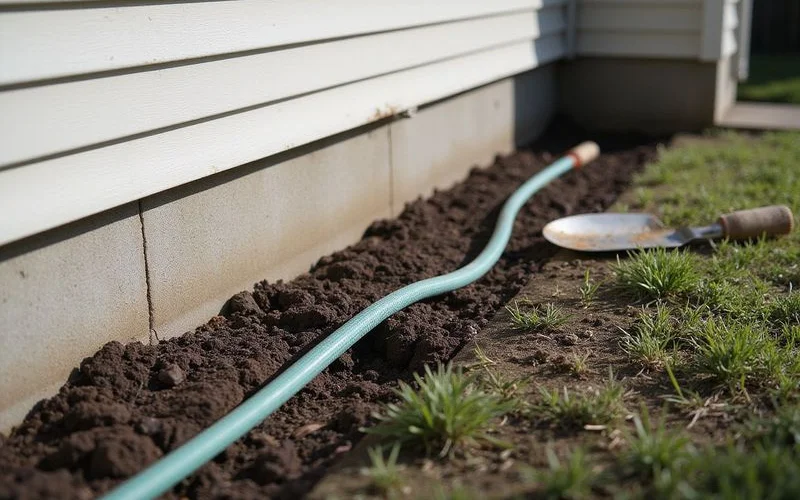
Foundation watering is genuinely useful and genuinely easy to overdo. The goal is consistency, not volume.
What we would suggest:
- Aim for even moisture around the whole perimeter, not just the side you can see from the kitchen.
- Place soaker hoses a consistent distance out from the slab edge rather than tight against it.
- Water lightly and more often rather than heavily and occasionally.
- Stop when rain does the job. Saturating already-wet clay is how heave happens.
What we would avoid: a fixed number of minutes per day based on a chart, someone’s neighborhood, or a mapped soil series. Soil, shade, slope, and tree cover vary too much from lot to lot for a schedule to be meaningful. Watch the soil.
Our guide on whether you can overwater your foundation covers this in more depth, including what over-watering actually looks like.
Trees and roots
Mature trees are drawing water out of the clay within their root zone all summer. That is a real effect and it concentrates on one side of a house.
This is not an argument for removal. A root barrier addresses the mechanism while keeping the tree, and that is usually what homeowners want. What we would suggest this season is simply noticing whether the driest soil and the widest gaps are on the tree side, and mentioning that if you do book an evaluation.
Document what you see
If cracks are already present, photograph them now, with something for scale and the date noted. Then photograph them again after the first heavy rains.
That before-and-after across the seasonal transition is genuinely diagnostic information. Cracks that open in the dry and close in the wet are behaving the way clay behaves. Cracks that open and stay open, or keep widening year on year, are a different conversation.
When to stop maintaining and start measuring
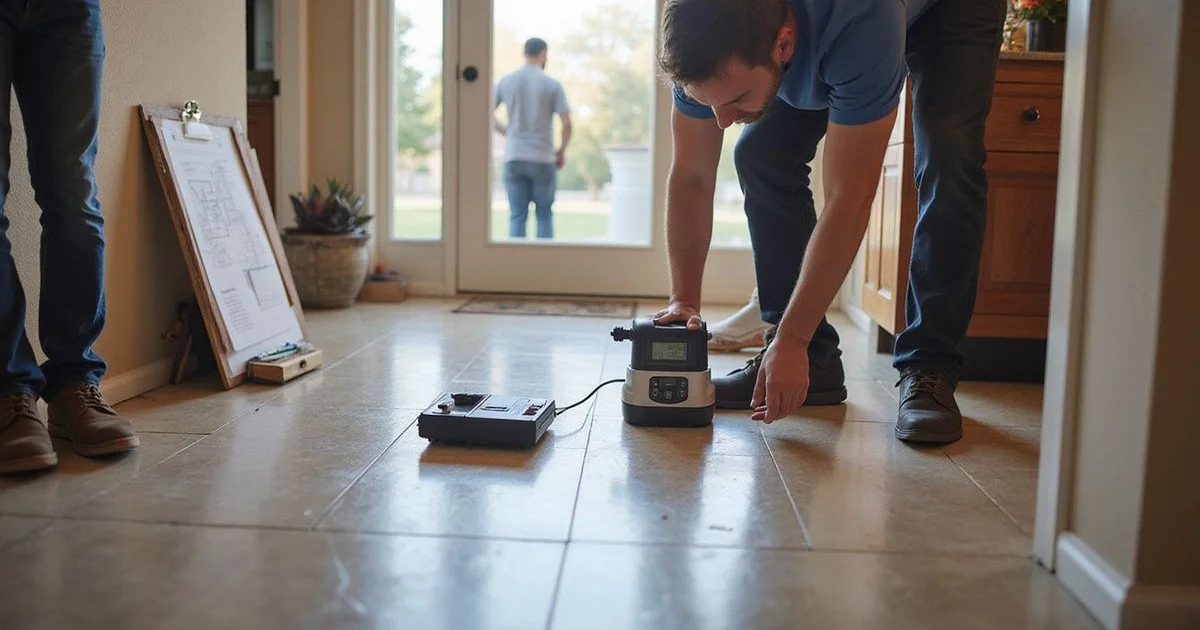
Book an evaluation if you notice: a new crack that appeared this season rather than one you have lived with; a door that has started binding on one edge; a floor that feels different from how it felt last year; or separation at the brick that was not there in spring.
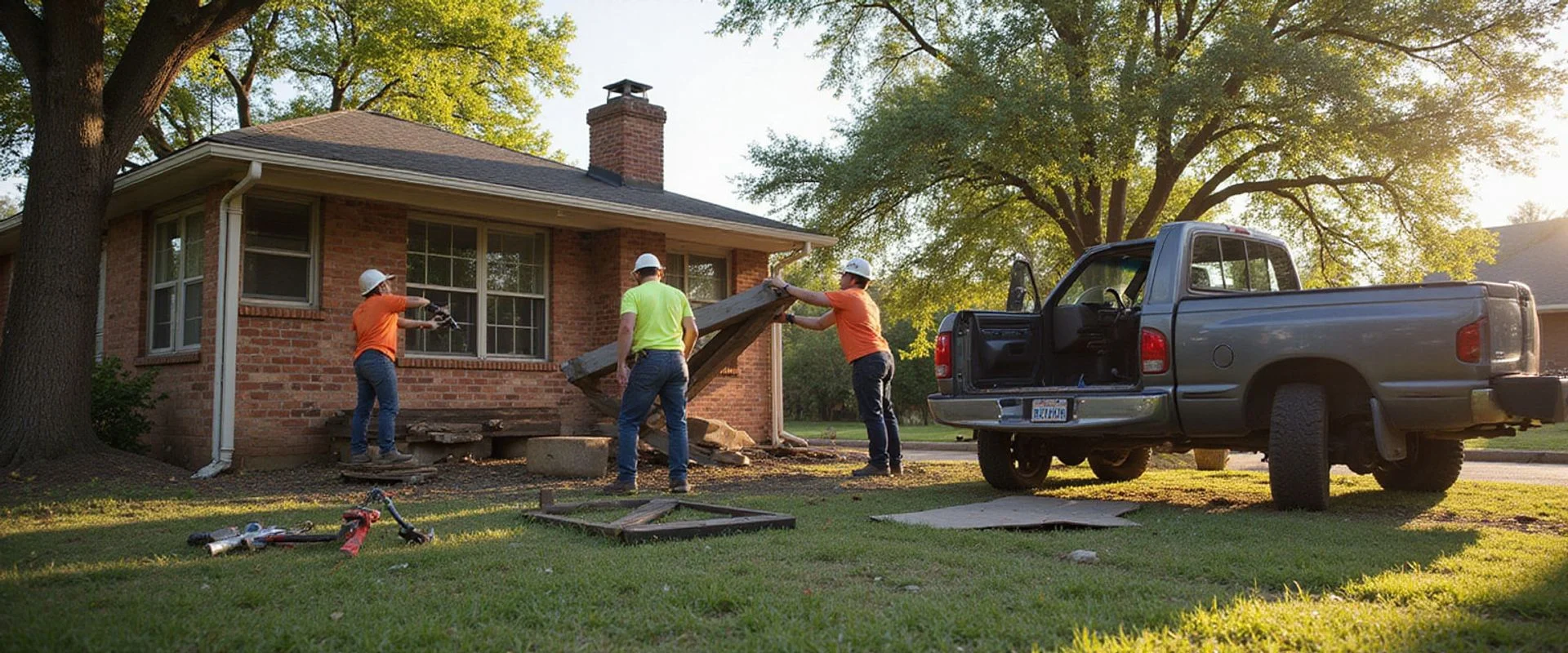
Standard homeowner evaluations carry no fee, you keep the written findings either way, and a meaningful share of them end with a recommendation to monitor rather than repair. That measure-first approach is how we handle foundation repair in Dallas across every property we visit.
Want the drainage side looked at properly before winter? — See our drainage solutions