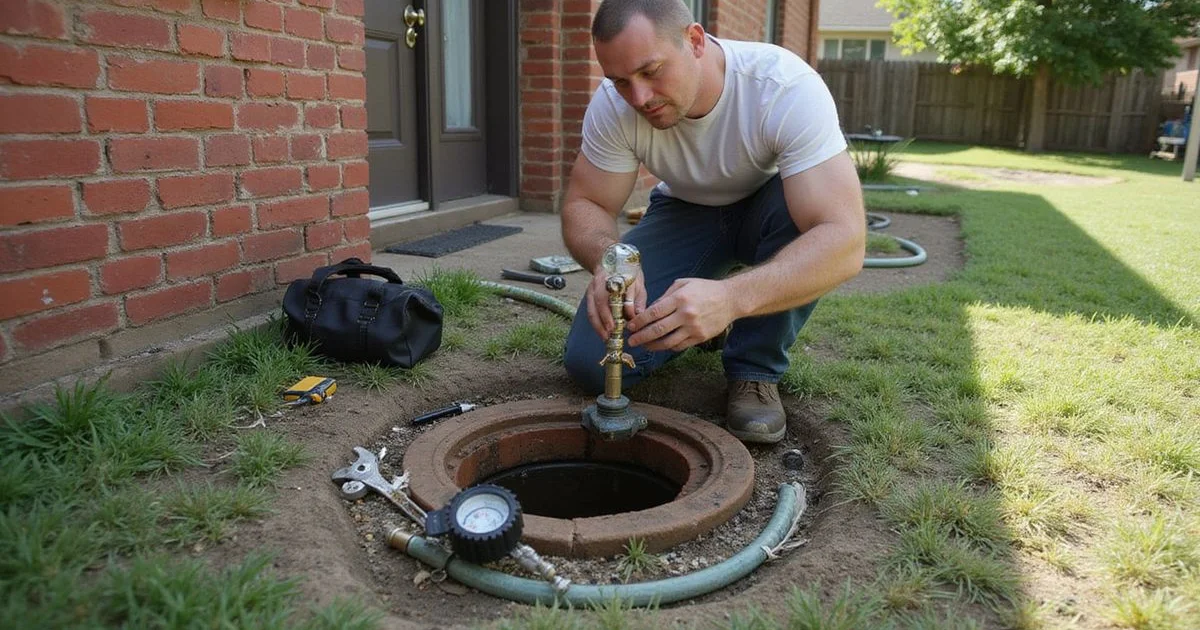
From this month, every slab underpinning project we complete includes a coordinated post-lift hydrostatic plumbing test as standard, not as an optional line item.
We already recommended pre-lift testing where the evaluation suggested water might be involved. The change is that the test after the lift is now part of the scope on every slab project, and both sets of results go into the closeout package.
Why this matters
Under-slab drain lines and the slab move together. That relationship runs both directions and both directions cause problems.
A leaking line saturates soil beneath one part of the slab, and saturated clay swells. Movement caused that way looks identical from inside the house to movement caused by soil drying elsewhere. If you install piers without establishing which you are dealing with, you have treated a symptom and left the cause running.
The reverse is equally real. When a slab is lifted, buried drain lines move with it. A joint that was sound before the lift can open during it, particularly in older cast iron systems that have been in service for decades. Without a test afterwards, nobody knows.
What the test involves
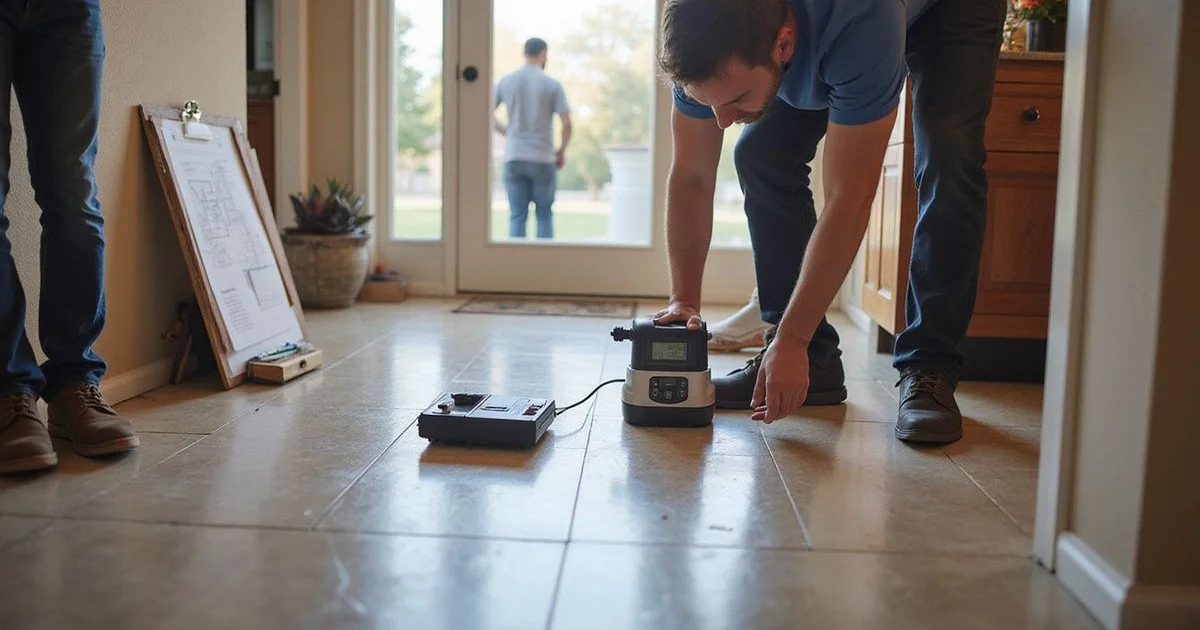
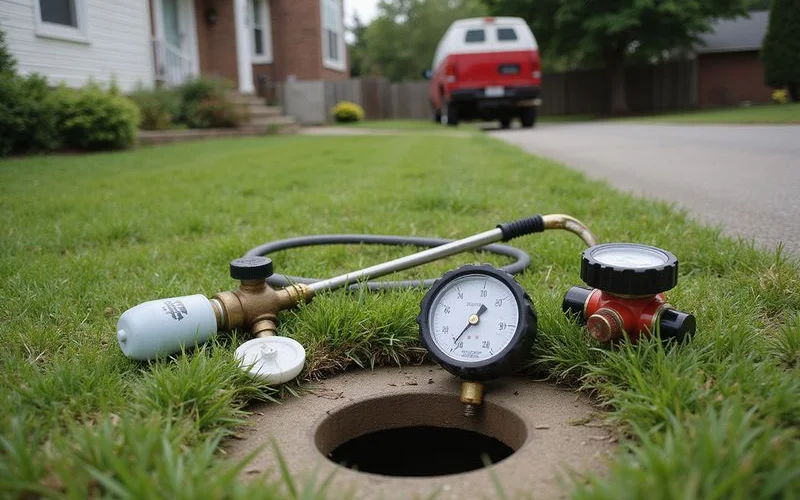
A licensed plumber isolates the drain system, typically at the cleanout, using a test ball. The system is then filled to a set level and monitored. If the level holds, the lines are holding. If it drops, there is a leak, and further isolation narrows down where.
It is a straightforward procedure, it takes a modest amount of time, and it produces an unambiguous result. The plumber contracts and warrants that work independently, which matters: their finding is not ours to shade.
What changes for you
If you are booking a slab repair with us, the written scope now states:
- A pre-lift hydrostatic test where the evaluation findings make it relevant
- A post-lift hydrostatic test on every slab underpinning project
- Who performs the testing, and that their fee is theirs rather than bundled into ours
- That any plumbing repair identified is quoted and performed by the plumber
Nothing about this is a margin exercise for us. The plumber bills their own work. What we get is a project that closes with the plumbing question answered rather than left open.
Why we are publishing this rather than just doing it
Two reasons.
First, it changes how our proposals compare to others. A quote that includes coordinated testing will not look identical to one that does not, and you are entitled to understand why before assuming the difference is margin. Our guide on comparing two foundation repair quotes covers exactly this kind of scope difference.
Second, the industry has a pattern of discovering plumbing problems after the fact and attributing them to whatever is most convenient. Testing before and after, with dated results in the file, takes that ambiguity off the table for both sides. It is now part of the documented standard we apply to foundation repair in Dallas on every slab project.

What the closeout package now contains
| Document | What it establishes |
|---|---|
| Pre- and post-lift elevation surveys | The starting condition and what the lift achieved |
| Pier installation log | Depth and pressure recorded per pier |
| Permit and inspection sign-off | The work was permitted and inspected |
| Hydrostatic test results | Plumbing condition before and after the lift |
| Written transferable warranty | Coverage, exclusions, and the transfer process |
A note on existing customers
If you completed a slab project with us before this month and want the post-lift test performed now, get in touch. We will coordinate it with the plumber. The result will not be identical to a test taken immediately after the lift, and we will say so on any document that comes out of it.
Booking slab repair and want to understand the plumbing side? — Read about slab foundation repair