

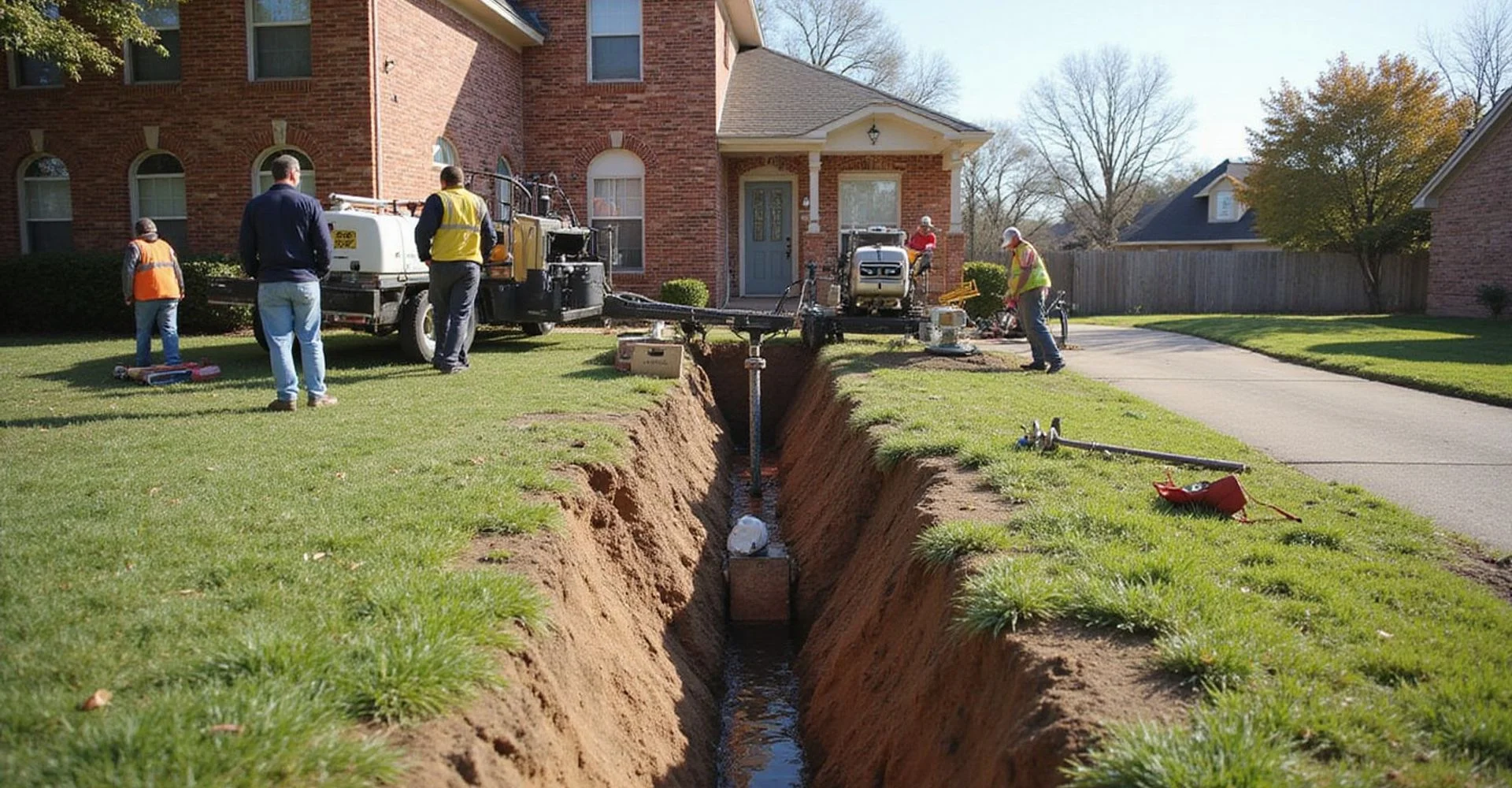
Pier-and-Beam Foundation Repair in Lakewood
Lakewood's 1920s Tudor and pier-and-beam concentration, combined with mature-tree root effects, creates crawlspace and moisture concerns specific to this part of East Dallas. We assess the crawlspace as carefully as the structure.
- 1 business day response
- City of Dallas, Dallas County
- Transferable Written Warranty
- Experience
- Serving Lakewood for over 15 years
- Local work
- Documented pier-and-beam projects across East Dallas
- Dispatch
- City of Dallas permitting handled in-house
Bouncy Floors or Crawlspace Issues in Lakewood?
Cracks you cannot read
A stair-step crack in brick or a diagonal line above a door frame looks alarming. Appearance alone does not establish whether the foundation is moving.
Quotes that do not match
One proposal says 8 piers, the next says 22. The gap is usually scope: method, depth, permits, and whether plumbing testing is included.
Worry about the disruption
Access, excavation, and restoration are what homeowners ask about most. We write them into the scope so the project has no hidden second half.
Evaluation or engineering?
A contractor evaluation documents conditions and recommends scope. An independent engineer provides a separate assessment. We say which one you need.
Pier-and-Beam Repair for 1920s Tudor Homes
Lakewood's 1920s Tudor and pier-and-beam concentration, combined with mature-tree root effects, creates crawlspace and moisture concerns specific to this part of East Dallas. We assess the crawlspace as carefully as the structure.
Lakewood (Dallas) sits inside the service area we cover for foundation repair in Dallas, working from the same elevation survey, documented scope, and itemized quote on every property.
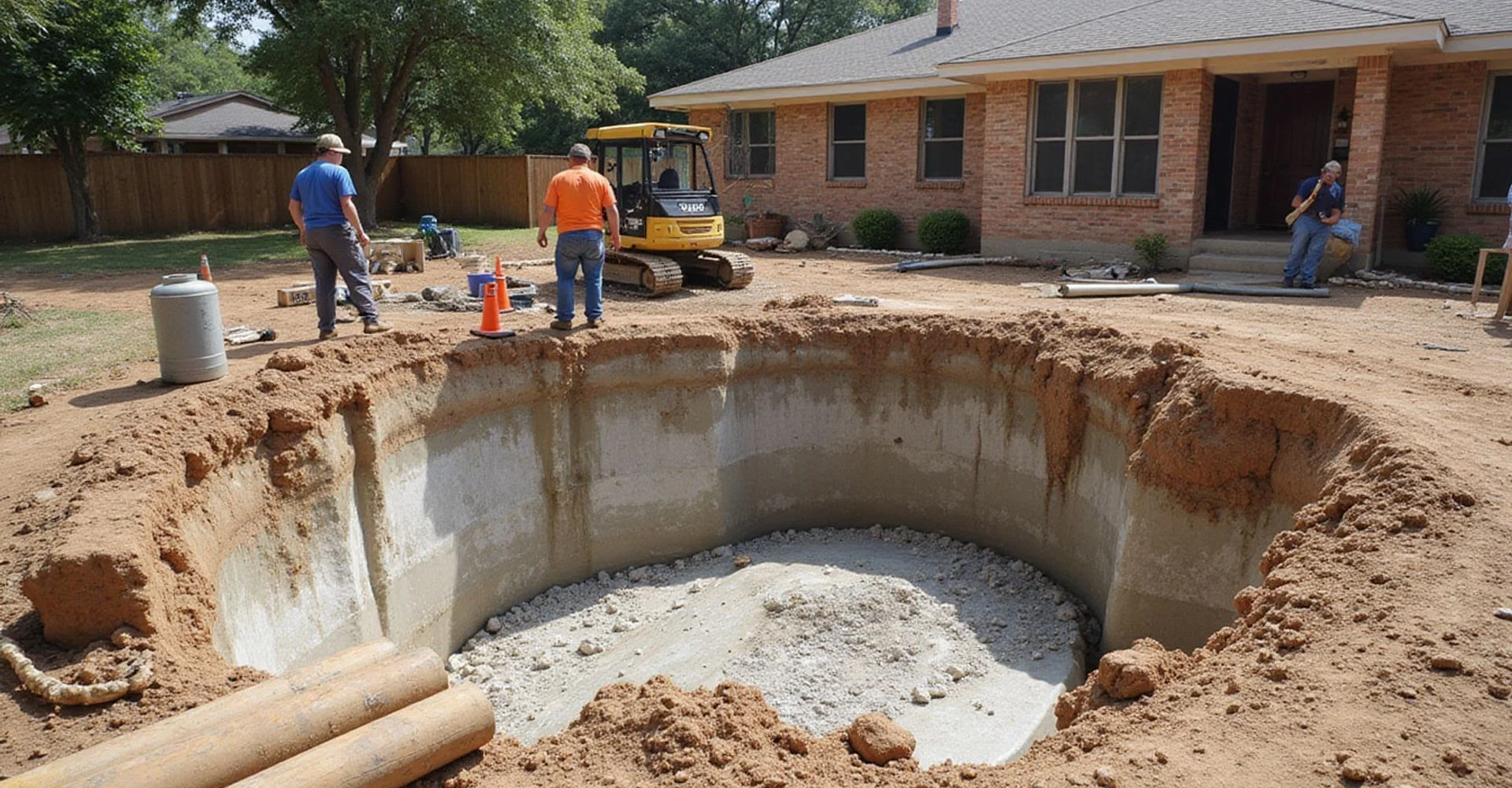
Slab Foundation Repair
Evaluation, repair systems, access, scope, and restoration for slab-on-grade foundations across the Dallas area.
Explore Slab Repair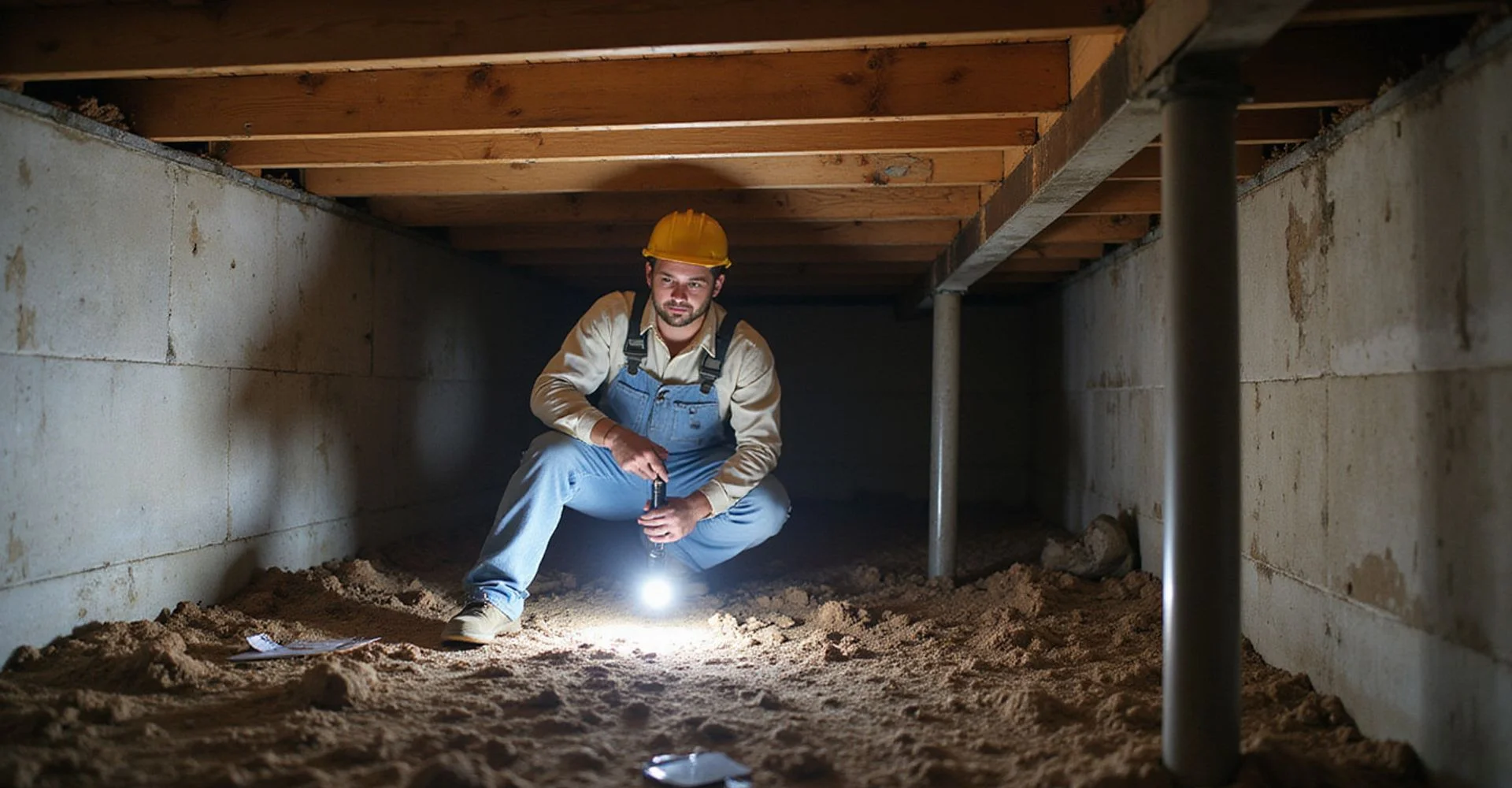
Pier-and-Beam Repair
Piers, beams, joists, crawlspace access, and moisture control for raised foundations in older Dallas neighborhoods.
Explore Pier & Beam
Foundation Evaluation
Who attends, what is examined, and exactly what you receive from a documented foundation evaluation.
Explore Evaluation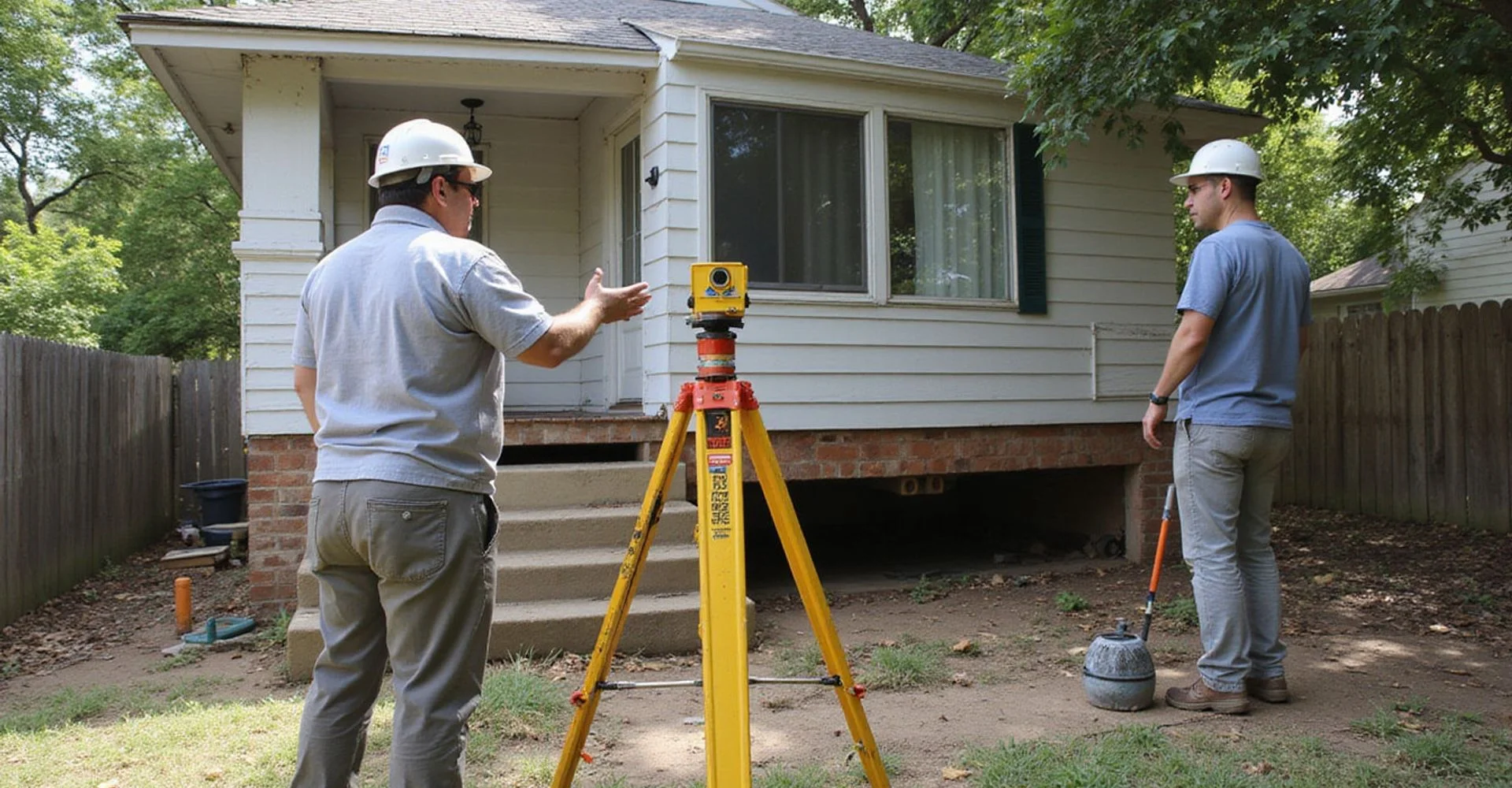
House Leveling
What leveling can realistically achieve, where its limits are, and how it differs from broader foundation repair.
Explore House Leveling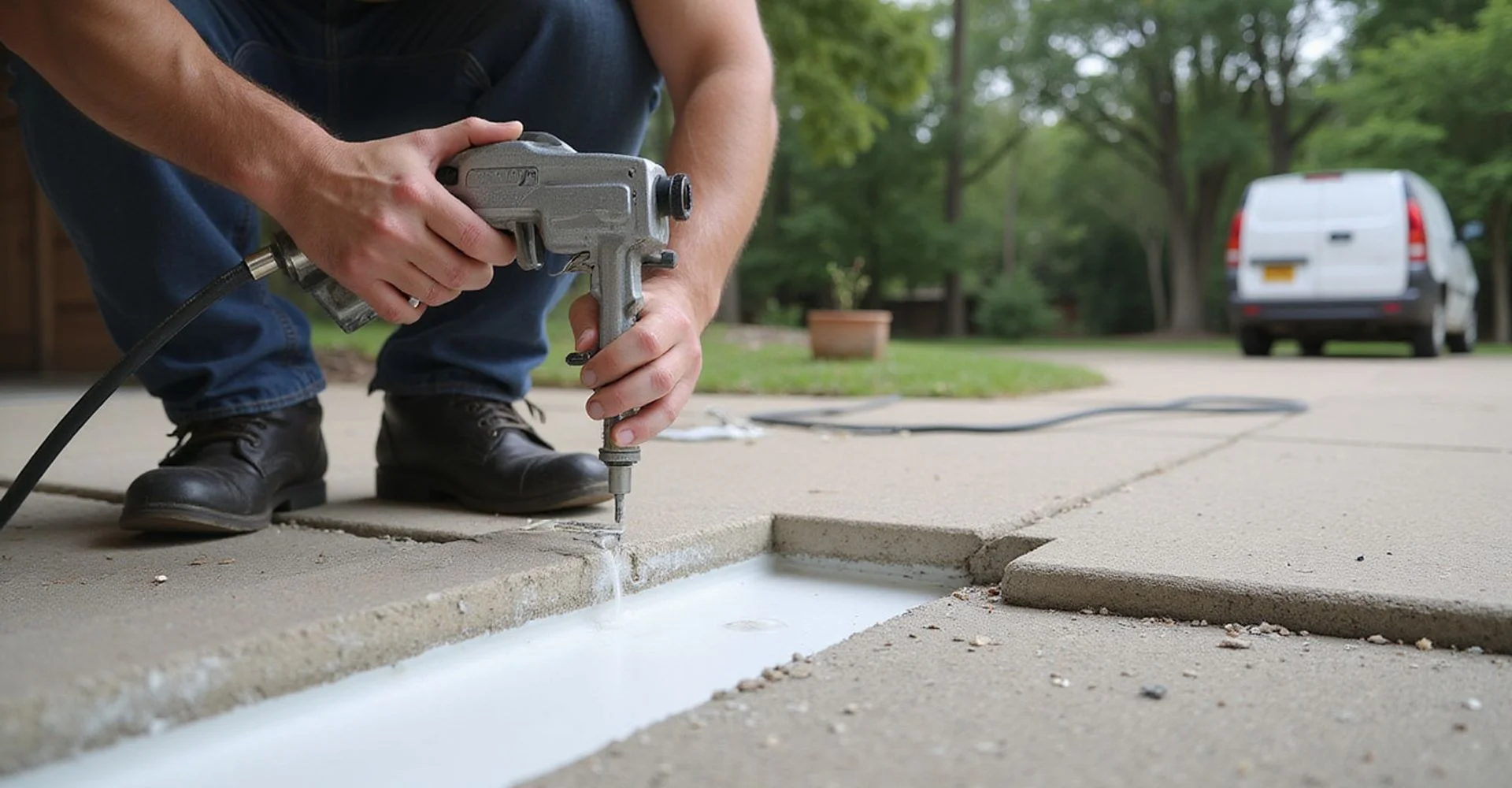
Concrete Leveling
Polyurethane foam leveling for settled driveways, patios, sidewalks, and pool decks, kept separate from structural foundation work.
Explore Concrete Leveling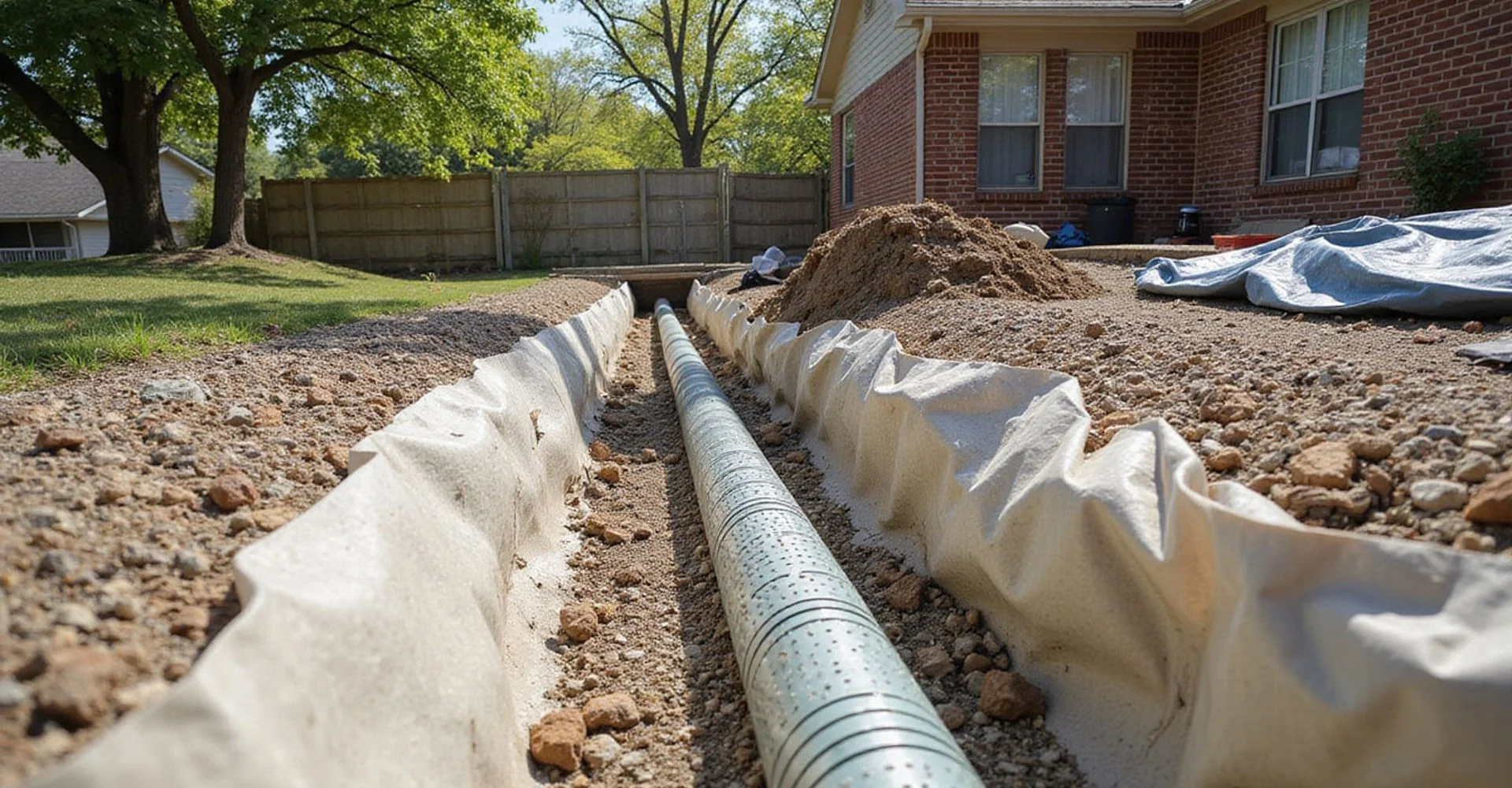
Drainage Solutions
French drains, catch basins, grading, and root barriers that stabilize soil moisture around a foundation.
Explore Drainage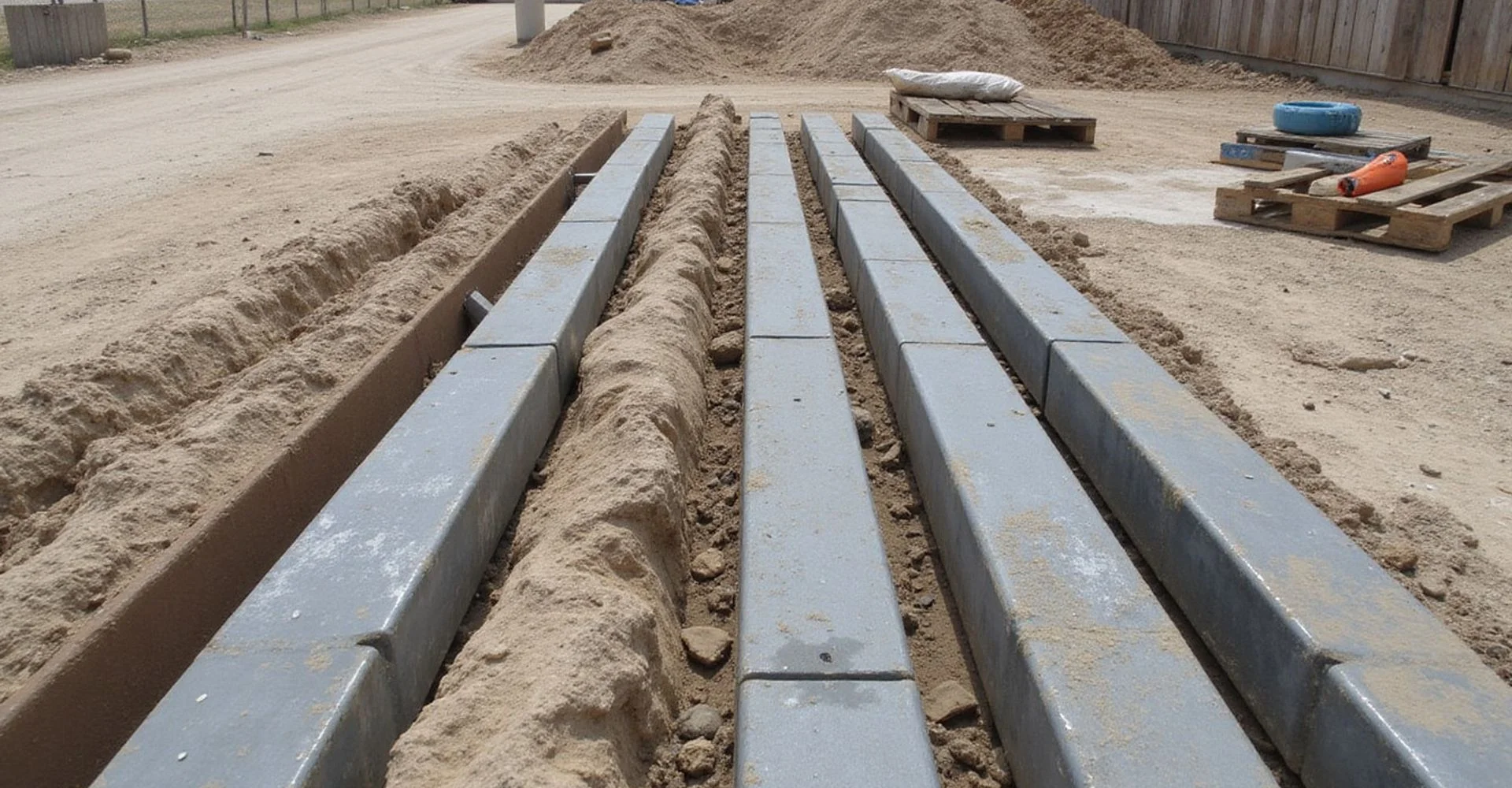
Foundation Repair Methods
The pier and underpinning systems used on Dallas homes, and how a method gets matched to a specific site.
Explore Repair Methods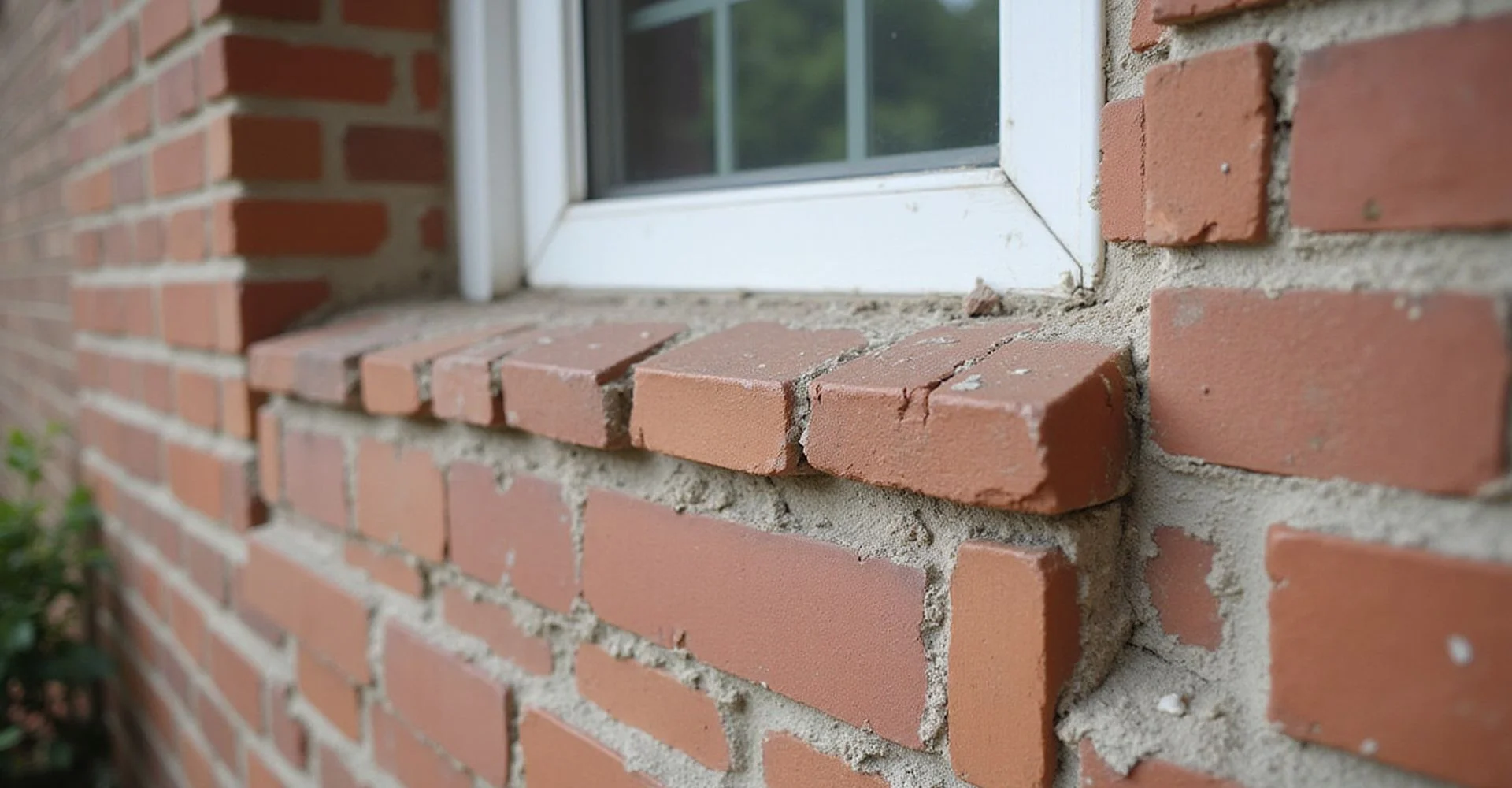
Foundation Warning Signs
What brick cracks, interior cracks, sticking doors, and uneven floors do and do not tell you about a Dallas foundation.
Explore Warning SignsNeighborhoods we cover in Lakewood
How We Assess a Raised Foundation
-
Tell us what you are seeing
Send a short description of the cracks, sloping floors, or sticking doors you have noticed. Photos help but are never a diagnosis.
-
On-site elevation survey
A technician maps floor elevations with a digital manometer, runs a visual distress survey, and reviews the home history with you.
-
Findings explained plainly
You get the elevation data and what it means, including when the measurements do not support repair.
-
Itemized written quote
If repair is warranted, the quote states pier count and locations, the system used, access, permits, restoration, and warranty terms.
Why Lakewood Homeowners Work With Us
- Crawlspace assessment covering piers, beams, joists, subfloor, and moisture
- Experience with 1920s and 1930s raised foundations in East Dallas
- Root barrier options presented before anyone suggests tree removal
- City of Dallas permitting and inspection handled for you
- Access and staging planned around narrow streets and short driveways
- Documented scope covering carpentry, piers, and moisture control separately
Working on Lakewood Properties
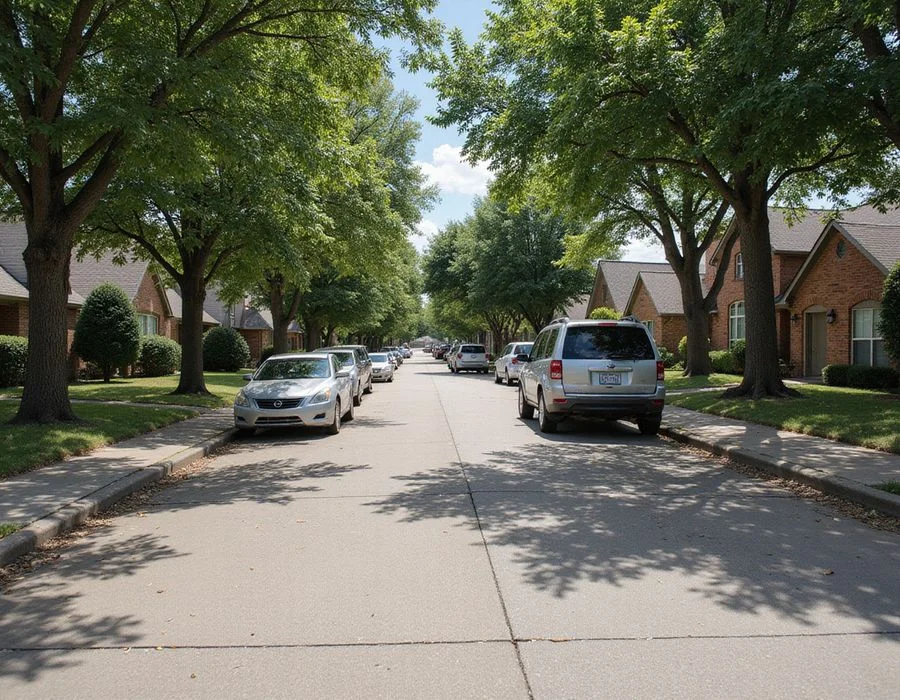
Lakewood sits east of downtown around White Rock Lake, reached by way of Abrams, Gaston, and Mockingbird. Streets are narrow in places and driveways are often short, so we confirm parking and material staging before the crew arrives.
Crawlspace access is the first logistical question on most Lakewood homes. Access doors are frequently tucked behind shrubs or storage, and clearance under the floor can be tight. We check access during the evaluation so the repair-day plan is realistic.
Work inside Dallas city limits is permitted through City of Dallas Development Services. We file the permit, schedule inspections, and provide the documentation at closeout, including post-lift elevation records.
1920s Tudors, Crawlspaces, and Mature Trees
Lakewood's housing stock includes a high concentration of 1920s and 1930s Tudor and Craftsman homes on raised pier-and-beam foundations. In these houses, sagging or springy floors usually trace back to some combination of settled piers, a deteriorated girder, deflected joists, or moisture damage at the subfloor.
Crawlspace moisture is the recurring issue. Poor ground cover, blocked vents, and grading that pushes water toward the house all raise humidity under the floor. Sustained moisture leads to rot in sill plates and joist ends, and that is a carpentry problem as much as a foundation problem.
Mature pecans, live oaks, and elms are part of what makes Lakewood what it is, and their root systems draw significant moisture from nearby soil during dry months. A root barrier frequently protects the foundation while keeping the tree, which is generally the outcome homeowners here want.
Landmarks near our Lakewood coverage
- White Rock Lake
- Dallas Arboretum and Botanical Garden
- Lakewood Country Club
- Winfrey Point
Response in Lakewood
1 business day response
Permitting jurisdiction: City of Dallas, Dallas County
Request a Foundation Repair Quote (214) 555-0182 Get directions to LakewoodWhat Lakewood customers say
4.9 average across 150+ Google reviews
“They installed steel piers on our Lakewood pier-and-beam home, worked cleanly around the sprinkler lines, and every sticking door latches again. The scope was documented start to finish.”
“They walked me through the elevation survey and showed my variance was normal. They didn't sell me repairs I didn't need.”
Reviews shown are representative customer feedback compiled for this website.
Foundation Repair Questions, Answered
Why do the floors in my Lakewood Tudor feel bouncy?
Does crawlspace moisture affect my foundation?
Do I need to remove the big tree next to my house?
Can you work in a tight Lakewood crawlspace?
Is a permit required for foundation work in Lakewood?
Do you also handle slab homes in Lakewood?
Areas near Lakewood
Coverage reflects actual availability. Soil and housing conditions differ between these areas, so the evaluation is always property-specific.
Get a Written Quote for Your Lakewood Home
1 business day response. We survey elevations first, then document the scope and price in writing.
- Elevation survey before any recommendation
- Itemized written scope and exclusions
- Transferable written warranty